
We build and calibrate Geomechanical models for our projects, following the state of the practice workflow, with information gathered from:
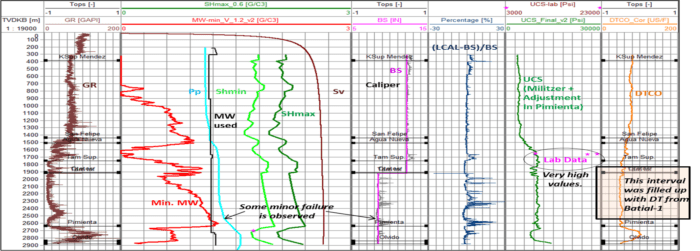
a) The wells (1D Geomechanical model): Log data (sonic, density resistivity, image logs, caliper);Injectivity test data (DFITS, mini-fracs, LOTS); Laboratory data; Pore pressure data (logs, RFTs, MDTs); Drilling information;
b) The Field (3D geomechanical model): Geometry of layers, and faults (seismic elastic inversion, geological structural model), elastic properties, strength (seismic inversion, logs, correlations), pore pressure (seismic, logs, measurements).
1D Geomechanical model – quantification along the wellbore path of stresses (magnitude and orientation), rock mechanical properties (deformability and strength) and pore pressure.

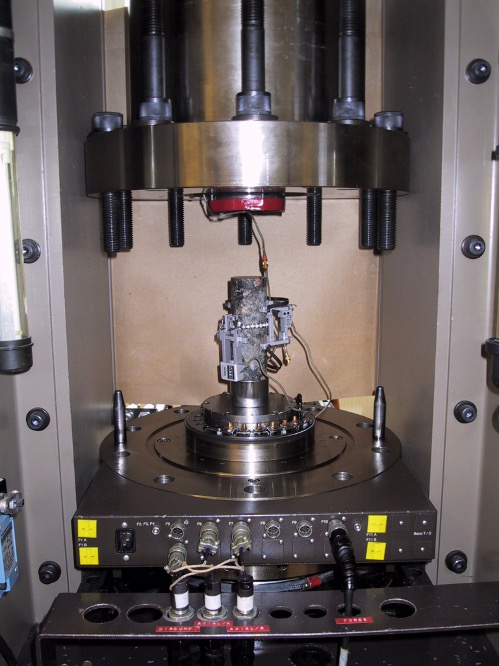
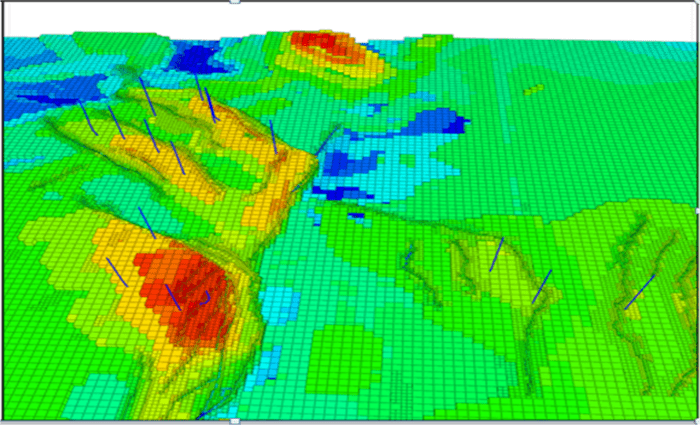
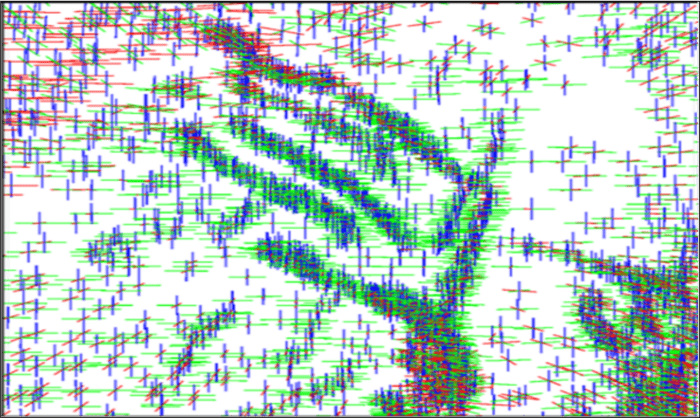
We build 3D Geomechanical Models considering the reservoir and the over -side- and under-burden, with layer and faults in the field. We use automatic mesh generators and a geomechanical simulator (FLAC3D or the one you need us to use) to captures geometries and properties of the stratigraphic layers and it is run under self weight, and boundary conditions to resemble tectonic displacements or forces.
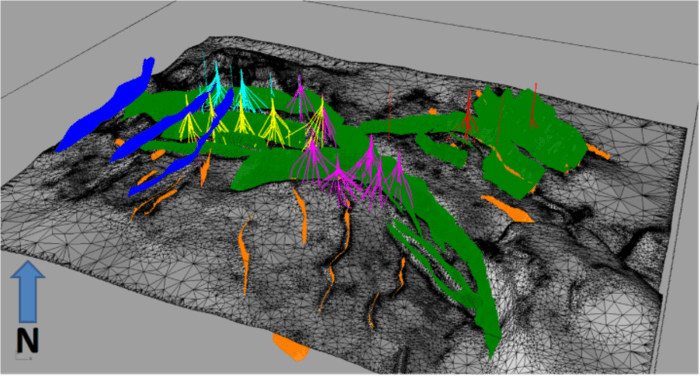
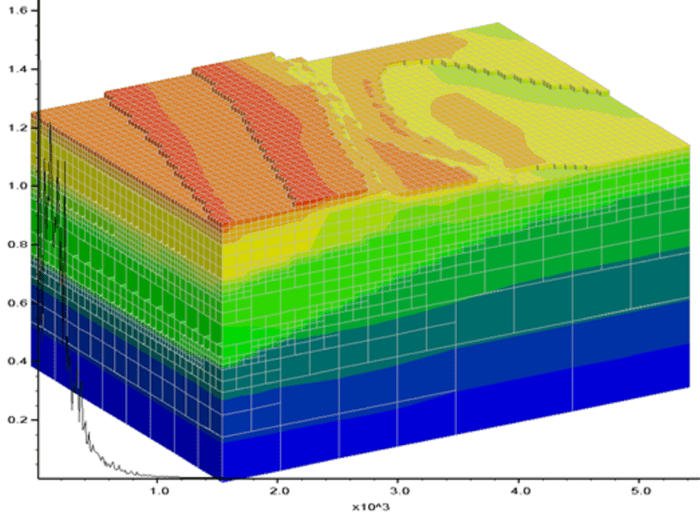
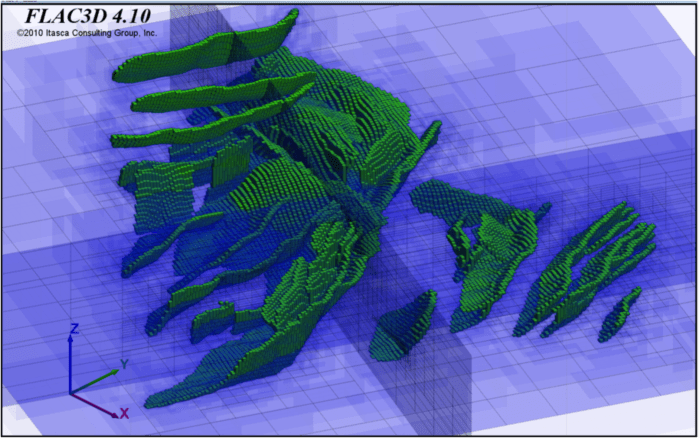
The product delivered to you is the quantitative distribution of: stresses (Sv, SHmax, Shmin), pore pressure and mechanical properties (deformability and strength) in the volume. We are ready now for the engineering applications…